

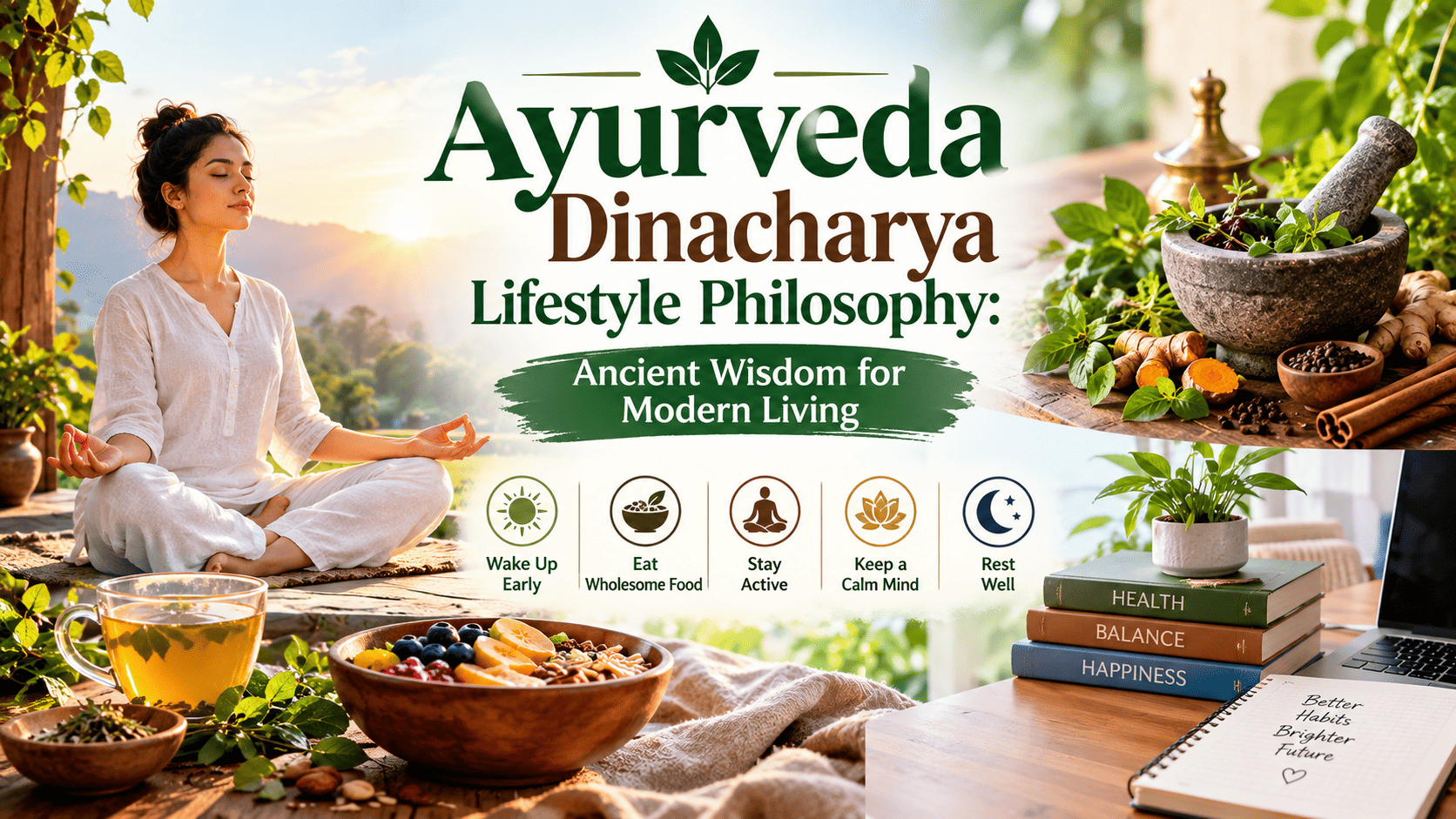
Ayurveda Dinacharya lifestyle philosophy is a traditional approach to daily living that emphasizes consistent routines, personal hygiene, balanced meals, physical activity, mental calmness, and regular sleep. Rooted in the ancient Indian health tradition of Ayurveda, Dinacharya means daily regimen. Its central idea is to organize everyday activities thoughtfully and adapt them to individual needs, seasonal changes, and daily responsibilities.
Introduction
Modern life often makes it difficult to maintain a consistent routine. Work, education, household responsibilities, digital devices, and irregular sleeping patterns can leave people feeling distracted and disconnected from their daily habits. In response, many people are exploring traditional lifestyle philosophies that emphasize simplicity, consistency, and a more mindful approach to everyday living. Ayurveda Dinacharya is one such tradition, offering a framework for organizing the day around personal care, nourishment, movement, rest, and mental well-being.
Ayurveda is a traditional system of health that developed in India over many centuries. Rather than focusing exclusively on individual symptoms, its broader philosophy considers lifestyle, food, behavior, environment, and personal constitution. Dinacharya represents the daily-routine aspect of this tradition. Classical Ayurvedic texts discuss practices such as waking at an appropriate time, maintaining oral hygiene, exercising according to one’s capacity, eating thoughtfully, and establishing a regular sleep schedule. These practices can be explored as lifestyle traditions without assuming that every historical recommendation has been scientifically proven. <Cite refs={[“turn630194search10″,”turn630194search8”]}/>
Understanding the Meaning of Dinacharya in Ayurveda
The Sanskrit word Dinacharya combines the ideas of dina, meaning day, and charya, referring to conduct or routine. Together, the term describes a pattern of daily activities intended to support a more organized and balanced way of living. In Ayurvedic philosophy, the routine includes more than a morning checklist. It also considers how a person eats, works, rests, interacts with others, and prepares for sleep.
An important feature of Dinacharya is consistency rather than perfection. Someone who wakes at a reasonably regular time, eats meals without unnecessary disruption, takes breaks from prolonged sitting, and follows a calming evening routine is already applying several principles that fit comfortably within a modern interpretation of the tradition. There is no need to copy every classical practice or follow an identical schedule throughout the year.
The traditional framework also recognizes that routines should be adapted to a person’s circumstances. Age, physical capacity, climate, daily responsibilities, and existing health concerns can affect what is practical. An early-morning schedule that works for one person may not be suitable for someone with different work hours or sleep needs. A useful interpretation of Dinacharya therefore combines traditional knowledge with sensible personal adjustments.
The Core Philosophy Behind an Ayurvedic Daily Routine
Balance Between Body and Mind
Ayurvedic philosophy places considerable emphasis on the relationship between physical habits and mental well-being. Regular meals, personal hygiene, suitable movement, relaxation, and adequate rest are treated as connected parts of everyday health rather than completely separate activities.
This perspective can be valuable in modern life because daily habits often influence one another. For example, staying up late may make it more difficult to wake comfortably, while a rushed morning can lead to skipped meals or reduced time for movement. Establishing a manageable routine may help reduce some of this daily disorganization, although individual outcomes vary.
Living With Natural Rhythms
Traditional Ayurveda encourages people to consider the changing conditions of the day and the seasons when planning their activities. Morning, midday, evening, and nighttime are associated with different qualities in classical Ayurvedic explanations. These descriptions form part of the traditional framework and should not automatically be interpreted as scientifically measured biological processes.
Modern sleep research separately recognizes the importance of circadian rhythms, which influence the timing of sleep and wakefulness. Regular sleep schedules and suitable exposure to daylight can support healthy sleep patterns. This provides a practical point of connection between some traditional routine-based ideas and contemporary health guidance, without proving every aspect of Ayurvedic theory.
Prevention Through Everyday Habits
Dinacharya traditionally emphasizes maintaining well-being through regular daily conduct. Personal cleanliness, nutritious food, appropriate activity, and sufficient rest are central examples. These practices are useful starting points for general wellness, but they do not guarantee freedom from disease or replace medical care.
A realistic routine should make healthy choices easier to repeat. Instead of attempting to transform an entire lifestyle overnight, a person can introduce a few manageable habits and gradually build a schedule that remains practical during busy periods.
Important Practices in an Ayurvedic Daily Routine
1. Begin the Morning With a Consistent Wake-Up Time
Classical Ayurvedic teachings often recommend rising early, sometimes before sunrise. The underlying lifestyle principle can be adapted by establishing a reasonably consistent wake-up time that allows sufficient sleep and a calm start to the day.
Waking early is not automatically healthier if it results in inadequate rest. Teenagers, adults, and older people can have different sleep requirements, and individual schedules may differ. The practical goal is to protect sleep while creating enough time for personal hygiene, breakfast, and preparation for daily responsibilities.
A simple morning routine might include opening the curtains for daylight, drinking water according to thirst, washing, brushing the teeth, and spending a few quiet minutes planning the day. These ordinary habits can provide structure without requiring expensive products or complicated wellness rituals.
2. Maintain Oral Hygiene and Personal Cleanliness
Oral care is an established part of a healthy daily routine and also appears in classical Ayurvedic descriptions of morning practices. Brushing with fluoride toothpaste, cleaning between the teeth, and attending to regular dental care are practical ways to maintain oral health.
Traditional Ayurveda also includes tongue cleaning and oil-based oral practices. These should be distinguished from standard dental recommendations, and they should not replace brushing, flossing, or professional advice. Anyone who experiences mouth irritation or other problems should discontinue a practice that causes discomfort and seek appropriate guidance.
The broader lesson is that personal care works best when it is consistent, safe, and suited to individual needs. A straightforward hygiene routine is more useful than an elaborate collection of practices that is difficult to maintain.
3. Choose Suitable Physical Activity
Movement is another important element of Dinacharya. Traditional recommendations include exercise and other physical activities selected according to individual capacity. In contemporary life, this can mean walking, cycling, dancing, playing a sport, practicing suitable yoga poses, or participating in another enjoyable form of movement.
Regular activity can support cardiovascular health, mobility, muscular function, and general well-being. The appropriate amount and intensity depend on factors such as age, health, experience, and personal circumstances. Rest and recovery are also important, and exercise should not become a source of pain or exhaustion.
For someone with a sedentary routine, short periods of movement throughout the day may be a manageable beginning. The goal is to develop a sustainable relationship with physical activity rather than follow an inflexible schedule.
4. Practice Mindful Eating
Food occupies an important place in Ayurvedic lifestyle philosophy. Traditional teachings emphasize eating appropriate amounts, considering digestion, and paying attention to the qualities of different foods. Some recommendations are connected to Ayurvedic concepts such as agni, commonly translated as digestive fire. This is a traditional explanatory concept rather than a direct equivalent of a single modern physiological process.
A practical modern approach to mindful eating involves having regular meals when possible, choosing a varied range of nourishing foods, eating without excessive distraction, and noticing hunger and fullness. Cultural preferences, food availability, allergies, nutritional requirements, and medical advice should all inform food choices.
There is no universal Ayurvedic menu that suits everyone. A balanced diet can include familiar local foods, such as vegetables, fruit, grains, pulses, dairy or suitable alternatives, nuts, and protein-rich foods according to personal needs. Restrictive diets are not necessary to benefit from a more thoughtful eating routine.
5. Make Room for Mental Calmness
Traditional Ayurvedic lifestyle practices may include meditation, prayer, breathing exercises, or quiet reflection. These activities can offer a deliberate pause between daily responsibilities and create an opportunity to pay attention to thoughts, emotions, and surroundings.
A person who is new to these practices can begin with a few minutes of quiet sitting, gentle breathing, journaling, or spending time outdoors. The practice should feel comfortable rather than become another demanding obligation. People who find a particular exercise uncomfortable can choose a different approach to relaxation.
Mental well-being also depends on supportive relationships, adequate sleep, appropriate professional help when needed, and a manageable balance between responsibilities and leisure. No single routine can resolve every source of stress, but small moments of rest can become a useful part of a broader self-care plan.
6. Use Self-Massage Carefully
Abhyanga is the traditional Ayurvedic practice of applying oil to the body, often through self-massage. It is associated with personal care and relaxation in Ayurvedic literature. Some people may enjoy the sensation of massage as part of a comfortable bathing or relaxation routine.
However, claims about specific oils removing toxins, curing diseases, or producing guaranteed medical benefits should not be accepted without reliable evidence. Oils can also irritate sensitive skin, trigger allergies, or create slipping hazards on bathroom floors. Anyone trying a topical product should consider its ingredients and stop using it if irritation develops.
Massage is optional, not a requirement for a healthy daily schedule. People with skin conditions, injuries, or other concerns should seek appropriate advice before introducing a new practice.
Ayurveda Dinacharya and the Three Doshas
One distinctive aspect of Ayurveda is its traditional concept of three doshas: Vata, Pitta, and Kapha. These are described as functional principles associated with different combinations of qualities within the body and mind. Ayurvedic practitioners use the framework to discuss individual constitution and patterns of balance.
Vata is traditionally associated with movement, Pitta with transformation, and Kapha with stability. These descriptions belong to Ayurvedic theory and are not the same as scientifically established biological categories. They should not be treated as laboratory diagnoses or as a substitute for medical assessment.
Within the tradition, a person’s constitution may influence recommendations about daily habits, activity, food, and rest. For example, an Ayurvedic practitioner may recommend a more regular routine for someone who experiences frequent changes in their schedule. However, people do not need to identify themselves with a dosha category to benefit from regular sleep, adequate nourishment, and suitable movement.
The most useful approach is to treat dosha-based recommendations as part of a cultural and traditional framework while evaluating specific health claims according to the available evidence. Any routine should remain flexible and appropriate for the person’s real needs.
A Practical Dinacharya Schedule for Modern Living
An Ayurvedic-inspired schedule does not have to occupy the entire day. A simple routine can preserve the traditional emphasis on consistency while accommodating education, work, family commitments, and different sleep patterns.
Morning: Wake after sufficient sleep, maintain oral hygiene, drink water according to thirst, eat breakfast if appropriate for your needs, and include some comfortable movement. Allow enough time to prepare for the day without unnecessary rushing.
Midday: Take a suitable meal break, eat a nourishing lunch, and interrupt prolonged sitting when possible. A brief walk or a few minutes away from a screen may help create a clearer separation between tasks.
Afternoon: Continue regular activities while allowing for hydration, movement, and short breaks. If energy levels change, consider whether sleep, meals, workload, or other practical factors need attention rather than relying on supplements or unverified remedies.
Evening: Finish demanding activities at a reasonable time when possible, enjoy a balanced meal, and choose a relaxing activity. Lowering unnecessary screen use before bedtime may help some people prepare for sleep.
Night: Maintain a reasonably consistent bedtime and create a quiet, comfortable sleeping environment. Avoid sacrificing adequate sleep simply to follow an early-waking recommendation.
The times will vary according to the individual. Shift workers, students, caregivers, and people with medical or accessibility needs may require different schedules. The aim is to develop a routine that supports everyday life rather than forcing everyday life to fit a rigid timetable.
What Modern Science Says About Dinacharya
It is important to separate traditional Ayurvedic explanations from the scientific evidence for individual lifestyle practices. Dinacharya is a broad collection of habits rather than one standardized intervention that has been conclusively tested as a complete package. Research on one component cannot automatically establish the effectiveness of every other component.
Regular sleep and wake times, appropriate physical activity, balanced nutrition, and routine oral hygiene have support from modern health research and public-health recommendations. These practices can reasonably be included in an everyday wellness routine. Their benefits, however, depend on individual circumstances, how they are performed, and the quality of the supporting evidence.
Evidence for Ayurveda as a complete medical system remains limited for many conditions. The US National Center for Complementary and Integrative Health notes that some studies have investigated Ayurvedic preparations for particular health concerns, but many trials are small or have methodological limitations. It also warns that some Ayurvedic products may contain toxic amounts of metals such as lead, mercury, or arsenic. <Cite refs={[“turn630194search1″,”turn630194search14”]}/>
This distinction matters when interpreting online wellness claims. A traditional practice may have cultural significance or offer a pleasant self-care experience without having proven medical effects. Readers should be cautious of claims that a daily routine can cure chronic diseases, guarantee longevity, remove all toxins, or eliminate the need for professional treatment.
Benefits and Limitations of an Ayurveda-Inspired Lifestyle
A well-designed daily routine may make everyday life more organized by creating predictable times for sleep, meals, hygiene, movement, and relaxation. These habits can reduce the need to make repeated decisions about basic activities and may help people notice which routines fit their schedules. The benefits depend on the actual habits adopted rather than on the label attached to the routine.
Another potential advantage is greater awareness of personal needs. Someone who regularly pauses to consider sleep quality, energy, hunger, stress, and activity may be better positioned to identify habits that need adjustment. This awareness is not unique to Ayurveda, but it fits naturally with its emphasis on observing the relationship between lifestyle and well-being.
There are also limitations. A traditional recommendation may not suit every person, and some practices require professional guidance. Oil treatments can cause irritation, supplements can interact with medicines, and unverified remedies can introduce avoidable risks. A rigid routine may also create unnecessary pressure when circumstances change.
The best approach is selective rather than absolute. Retain safe, practical habits that fit your needs, adapt those that require adjustment, and leave out practices that are uncomfortable, unsupported, or potentially harmful. Daily routines should support life, not make it more stressful.
How to Start Practicing Dinacharya Without Overcomplicating It
The easiest way to begin is to select two or three habits that address your actual needs. If your schedule is inconsistent, focus first on a suitable sleep routine. If you spend most of the day sitting, introduce regular movement breaks. If mornings feel rushed, prepare essential items the previous evening.
After these habits become manageable, consider adding a short period of reflection, a more regular meal schedule, or another form of personal care. Review your routine occasionally to see whether it remains practical. School schedules, work demands, weather, family responsibilities, and health needs may change, so flexibility is essential.
It is equally important to avoid purchasing unnecessary products in the hope of achieving better results. Many useful routine-based habits, such as brushing your teeth, walking, planning meals, and establishing a relaxing bedtime, require little or no special equipment. A sustainable routine is usually built through repetition and sensible adjustments rather than through expensive wellness products.
People considering herbal preparations, therapeutic oils, or Ayurvedic treatment for a medical condition should consult a qualified healthcare professional. Do not discontinue prescribed medication or delay medical assessment in favor of an alternative routine. A complementary lifestyle practice should fit safely alongside appropriate healthcare.
Frequently Asked Questions
1. What does Ayurveda Dinacharya lifestyle philosophy mean?
It refers to the traditional Ayurvedic approach to organizing daily activities, including waking, hygiene, food, movement, relaxation, and sleep. Its central emphasis is on consistency, personal needs, and a balanced daily routine.
2. What are the main practices of Dinacharya?
Commonly described practices include waking at an appropriate time, oral hygiene, physical activity, mindful eating, personal care, and regular sleep. Classical versions may also include oil massage and other traditional procedures, some of which require additional safety considerations.
3. Do I need to wake up before sunrise to follow Dinacharya?
No single wake-up time is suitable for everyone. Although early rising appears in classical Ayurvedic recommendations, adequate sleep and a consistent schedule are more practical priorities for many people. Your routine should accommodate your age, responsibilities, and sleep needs.
4. Is the Dinacharya lifestyle scientifically proven?
Dinacharya as a complete system has not been conclusively established as a scientifically proven treatment. Some individual habits associated with it, such as regular sleep, physical activity, and oral hygiene, have independent evidence supporting their role in general health. Evidence for particular Ayurvedic treatments varies.
5. Can beginners practice Dinacharya at home?
Yes. Beginners can start with ordinary habits such as maintaining oral hygiene, establishing a suitable sleep schedule, eating regular nourishing meals, and including comfortable physical activity. Specialized procedures and herbal products are optional and may require professional guidance.
6. Is Dinacharya suitable for every age group?
Its general emphasis on routine can be adapted to different age groups, but specific recommendations should reflect individual needs. Children, teenagers, older adults, pregnant people, and individuals with medical conditions may require different schedules or professional guidance.
7. Can Dinacharya replace medical treatment?
No. A daily routine may complement general wellness, but it should not replace appropriate diagnosis, prescribed treatment, or professional medical advice. People experiencing persistent or concerning symptoms should seek qualified healthcare.
Conclusion
Ayurveda Dinacharya lifestyle philosophy offers a traditional framework for thinking more carefully about the way daily habits shape everyday life. Its emphasis on regularity, personal care, mindful eating, movement, relaxation, and sleep can be adapted to modern schedules without copying every historical recommendation.
The most useful routine is one that is safe, realistic, and flexible enough to continue over time. By choosing manageable habits, evaluating health claims carefully, and respecting individual needs, readers can explore the practical value of this ancient lifestyle tradition while keeping their decisions grounded in reliable health information.