

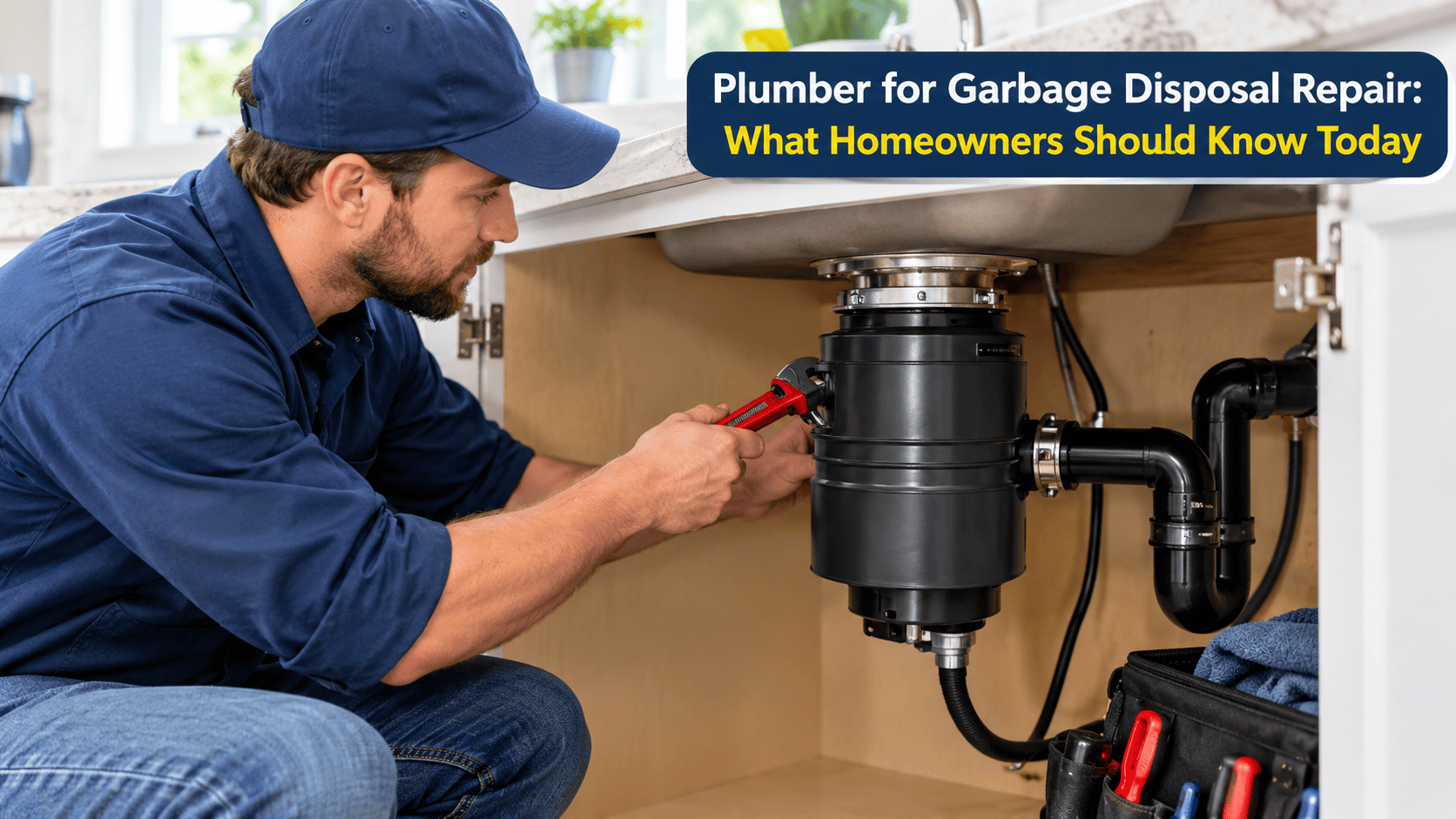
A plumber for garbage disposal repair can diagnose leaks, clogged drains, jammed grinding components, loose connections, and damaged seals. A qualified professional can determine whether your disposal needs a minor repair, replacement parts, or a completely new unit. If the problem involves electrical wiring or a faulty circuit, an electrician or qualified appliance technician may also be necessary.
Understanding Garbage Disposal Repair Services
A garbage disposal makes kitchen cleanup easier by grinding suitable food scraps into smaller particles that can pass through the drainage system. When the appliance stops working, leaks beneath the sink, or produces unusual noises, everyday kitchen tasks can quickly become frustrating. A qualified plumbing professional can inspect the appliance, identify the source of the problem, and recommend a practical solution that restores normal drainage and helps prevent further damage.
Although garbage disposals may appear simple, they connect to both plumbing and electrical systems. A repair may involve the sink drain, mounting assembly, discharge pipe, rubber seals, motor, or electrical supply. Choosing the right professional depends on the symptoms you notice. Plumbers are particularly useful for drainage problems and leaks, while electrical faults may require a licensed electrician. An experienced appliance technician may also be appropriate for problems involving internal components.
Common Signs Your Garbage Disposal Needs Professional Attention
One common warning sign is a disposal that hums without grinding food waste. This can indicate a jammed grinding mechanism or another mechanical problem. If the appliance remains silent, the issue might involve its power supply, switch, reset mechanism, or motor. Grinding noises, persistent odors, repeated shutdowns, and water collecting beneath the sink can also indicate a problem that deserves investigation rather than repeated attempts to restart the unit.
Slow drainage is another important symptom. Food residue, grease, accumulated debris, or a blockage in the connected drainpipe may prevent water from flowing freely. A disposal that drains slowly even after visible food waste has cleared may have a clog farther along the plumbing system. Similarly, a leak around the sink opening differs from a leak at a hose connection or the bottom of the appliance. Identifying the leak’s location helps determine the appropriate repair.
What Causes Garbage Disposal Problems?
Jams frequently occur when unsuitable materials enter the grinding chamber. Hard objects, fibrous vegetable scraps, excessive food waste, and other inappropriate items can interfere with the grinding mechanism. Grease and cooking oils can also contribute to plumbing blockages as they cool and accumulate inside pipes. Following the manufacturer’s instructions about acceptable food waste is therefore essential for preventing avoidable breakdowns and reducing strain on the appliance.
Leaks generally result from issues such as worn seals, loose connections, damaged mounting components, or deterioration of the disposal housing. Electrical problems may involve a tripped circuit breaker, an interrupted power supply, a faulty switch, or damaged wiring. Because these symptoms can overlap, guessing at the cause may lead to unnecessary part replacements. A professional diagnosis helps distinguish a simple plumbing issue from a mechanical or electrical failure that requires specialized attention.
How to Choose the Right Repair Professional
When looking for a plumber for garbage disposal repair, start by checking whether the professional regularly handles disposal troubleshooting, drain blockages, sink leaks, and appliance replacement. Ask about relevant licensing requirements in your area, insurance, service charges, and experience with your disposal’s make and model. A provider who clearly explains the problem and presents repair options can help you make an informed decision instead of paying for work that may not be necessary.
Before scheduling an appointment, describe the symptoms accurately. Mention whether the unit hums, remains silent, leaks only during operation, or causes water to back up into the sink. Tell the professional whether you have already pressed the reset button or checked the circuit breaker. Request an estimate that distinguishes labor, replacement parts, diagnostic fees, and any additional plumbing work. Clear communication makes it easier to compare quotes and reduces the likelihood of unexpected expenses.
Garbage Disposal Repair Costs and Budget Planning
Repair costs depend on the appliance’s condition, the fault, the parts required, local labor rates, and the complexity of the job. Recent US cost guides commonly place many professional garbage disposal repairs around $140 to $310, with an average near $230. These figures are general estimates rather than guaranteed prices. A simple adjustment may cost considerably less than repairing a leaking assembly, replacing a motor, or correcting a complicated drainage problem.
Your location and the timing of the appointment can affect the final bill. Emergency visits, weekend appointments, difficult access beneath the sink, and additional electrical or plumbing work may increase expenses. Ask whether the diagnostic or service-call fee is included in the quoted repair price. If the appliance needs replacement, request separate pricing for the new unit, installation labor, removal of the old disposal, and any necessary modifications to existing connections.
6. Repair or Replace: Which Option Makes More Sense?
Repair is often sensible when the disposal is relatively new and the problem involves an inexpensive, replaceable component or a straightforward blockage. For example, replacing a worn seal or correcting a loose discharge connection may restore proper operation without the expense of installing an entirely new appliance. A professional can inspect the unit and explain whether the damaged part is available, whether other components show wear, and whether the repair is likely to provide reasonable long-term value.
Replacement deserves consideration when the motor has failed, the housing is cracked, leaks repeatedly return, or repair estimates approach the price of a suitable new unit. Age also matters, especially when the appliance has experienced frequent breakdowns. Compare the total repair estimate with the installed replacement cost rather than looking only at the price of a new disposal. Ask about warranty coverage, expected maintenance, compatibility with your sink, and whether existing plumbing and electrical connections can be reused.
Safe Troubleshooting Before Calling a Professional
Homeowners can perform a few basic checks without dismantling the appliance. Turn the disposal switch off and inspect the surrounding area for obvious leaks. Check whether the circuit breaker has tripped and whether an accessible power connection appears secure. If the manufacturer’s instructions permit it, allow the unit to cool before using its external reset button. Never put your fingers or hands inside the grinding chamber, even when the disposal appears switched off.
If the unit remains jammed or continues to malfunction, stop troubleshooting and arrange professional service. Disconnect power before any permitted inspection involving access to the appliance, following the manufacturer’s safety instructions. Never reach into the chamber to retrieve an object, and never pour chemical drain cleaners into the disposal unless the manufacturer specifically approves the product. Repeatedly switching on a humming or jammed unit can worsen damage. A professional has the appropriate tools to inspect the mechanism and identify the underlying fault safely.
Preventing Future Garbage Disposal Repairs
Regular maintenance helps reduce unpleasant odors, prevent avoidable jams, and support reliable operation. Run cold water during use and continue flushing according to the manufacturer’s directions after grinding suitable food scraps. Avoid pouring grease, cooking oil, or fat into the sink, and keep fibrous materials, large bones, hard pits, and nonfood objects out of the disposal unless the manufacturer explicitly permits them. These habits help limit strain on the grinding mechanism and connected drainpipes.
Pay attention to changes in performance instead of waiting for a complete failure. Persistent odors, recurring clogs, unusual vibration, and small leaks can indicate that maintenance or repair is needed. Clean the accessible splash guard and surrounding sink area according to the manufacturer’s guidance, and avoid harsh cleaning methods that could damage seals or internal components. Keep the appliance’s model information and installation documents available. When service becomes necessary, these details can help a technician identify compatible parts and provide a more accurate estimate.
Conclusion
A malfunctioning garbage disposal does not always require a complete replacement. The right solution depends on the cause of the problem, the appliance’s age, the condition of its components, and the cost of restoring reliable operation. A qualified plumbing professional can address many leaks and drainage issues, while mechanical or electrical faults may require a specialist. Understanding the symptoms, comparing written estimates, and following safe maintenance practices can help homeowners make better repair decisions and protect their kitchen plumbing.
Frequently Asked Questions
1. Can a plumber fix a garbage disposal that will not turn on?
Yes. A plumber can inspect the installation and identify plumbing-related or accessible connection issues. If the problem originates in the wiring, switch, circuit, or motor, an electrician or appliance repair specialist may be more appropriate. Check the manufacturer’s basic troubleshooting instructions before arranging service.
2. How much does garbage disposal repair usually cost?
US cost estimates commonly range from approximately $140 to $310 for many repairs, with an average around $230. Actual prices depend on the fault, replacement parts, labor rates, service fees, and location. Request a written estimate before authorizing the work.
3. Is it better to repair or replace a garbage disposal?
Repair may be worthwhile when the unit is relatively new and the fault is minor. Replacement may offer better value when the housing is cracked, the motor has failed, or repeated repairs are becoming expensive. Compare the complete repair and replacement estimates before deciding.
4. What should I do if my garbage disposal hums but does not grind?
Switch the appliance off immediately. A humming sound can indicate a jammed mechanism or another mechanical fault. Never place your hand inside the disposal. Follow only the manufacturer’s approved troubleshooting instructions, and contact a qualified professional if the problem persists or you are unsure how to proceed.